Situated, not static
Model evolving goals, social settings, device handovers, and moments when personalization is inappropriate.
ACM UbiComp / ISWC 2026 · Shanghai
A Tutorial on Foundations of LLM Personalization
Personal intelligence that understands context, respects boundaries, and keeps people in control.
The Human Question
Large language models are moving into phones, wearables, vehicles, homes, and public environments. In these settings, useful personalization must respond to people, places, routines, and changing intent—not only to a static profile.
This tutorial connects personalization methods with cloud–edge–device systems. We examine what stays close to the person, what can be coordinated at the edge, and when cloud intelligence is worth the latency and disclosure.
Our central premise is simple: people should be able to inspect, correct, pause, and revoke adaptation. Success therefore includes agency, privacy, fairness, latency, energy, and longitudinal benefit—not accuracy alone.
Why This Tutorial
Model evolving goals, social settings, device handovers, and moments when personalization is inappropriate.
Place memory, adaptation, and inference across device, edge, and cloud under real resource constraints.
Build consent, explanation, correction, expiration, deletion, and a non-personalized fallback into the loop.
Connect model and systems metrics with workload, interruption, trust, equity, and longitudinal outcomes.
Design Space
Placement is a human decision as much as a systems decision: it determines what can be known, how quickly the system responds, and which boundaries remain meaningful.
Private context, recent memory, sensors, lightweight adapters, immediate feedback, offline continuity.
Local coordination, caching, cross-device context, adaptive routing, and low-latency shared services.
General knowledge, high-capacity reasoning, expensive updates, and support for smaller local models.
Three-Hour Program
Monday, October 12, 2026 · morning · Room 5G. The module durations below form a planned three-hour lecture sequence; exact clock times have not yet been posted by the conference.
| Duration | Module | Lecture focus |
|---|---|---|
| 20 min | People, Context, and PersonalizationFrom generic assistants to situated, evolving experiences | Foundations |
| 30 min | Prompting-Based PersonalizationProfile instructions, retrieval, memory, demonstrations, prompt optimization | Method lecture I |
| 30 min | Adaptation-Based PersonalizationUser representations, adapters, fine-tuning, preference optimization, continual learning | Method lecture II |
| 40 min | Cloud–Edge–Device CollaborationPlacement, routing, federated adaptation, graceful degradation | Systems lecture |
| 10 min | Break | — |
| 30 min | Human-Centered Data and EvaluationConsent, bystanders, shared devices, longitudinal field study | Evaluation lecture |
| 15 min | Situated Applications and Open ChallengesMobile well-being, shared homes, urban mobility, research agenda | Application lecture |
| 5 min | SynthesisMain takeaways for UbiComp/ISWC | Summary |
Organizers, Instructors & Chairs
Expertise spanning personalized LLMs, efficient AI systems, user modeling, ubiquitous computing, intelligent sensing, and trustworthy learning.
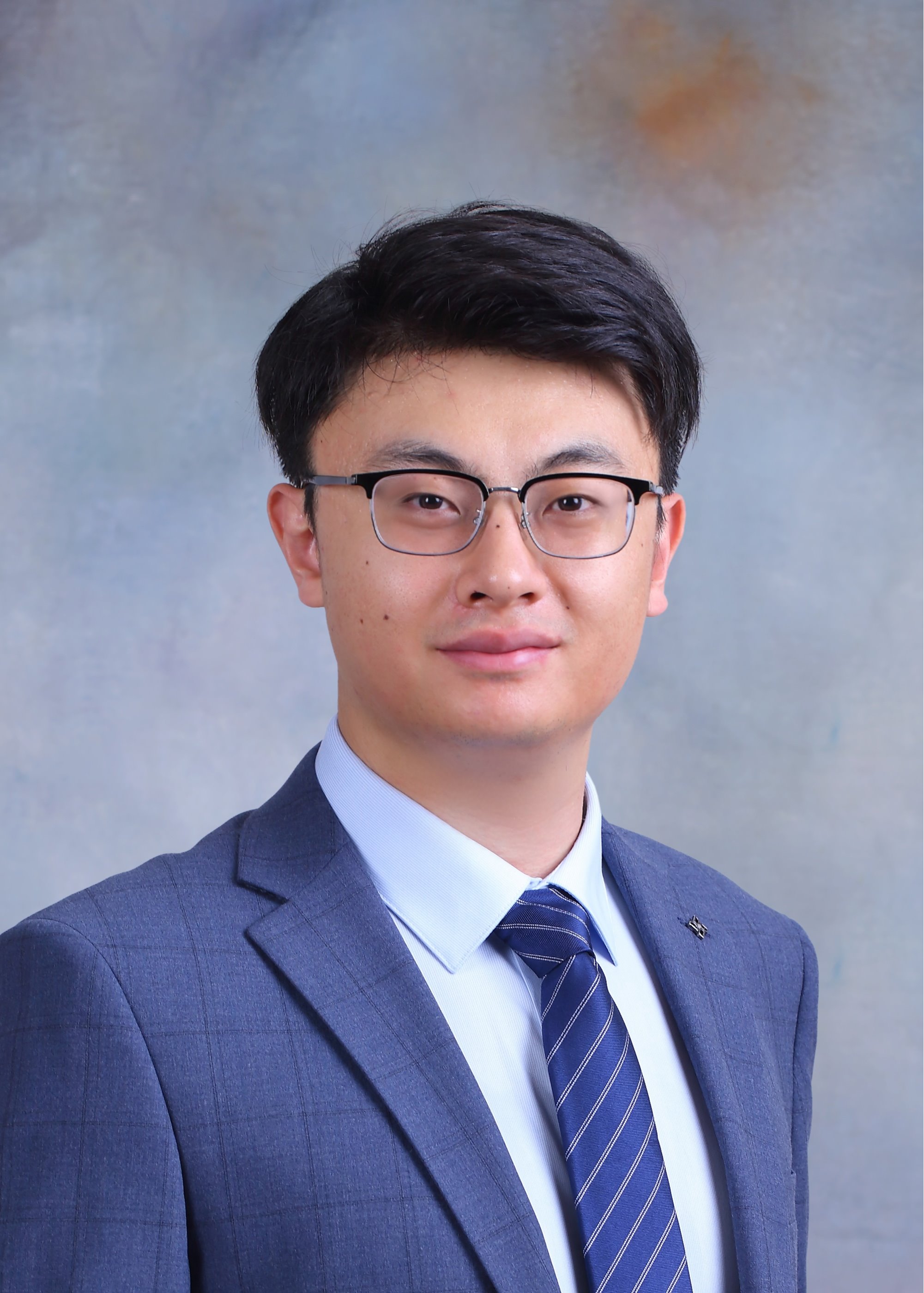
Beihang University
Professor working on trustworthy and efficient AI, large language models, graph learning, temporal data mining, and structured knowledge integration. His work connects personalization methods with efficient and responsible deployment.
Homepage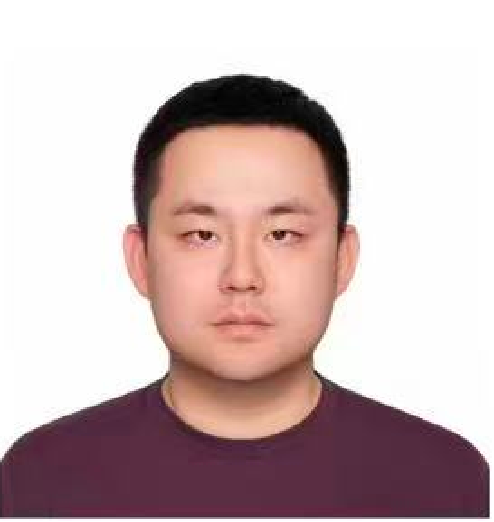
Nankai University
Associate Professor researching text mining, knowledge-enhanced LLMs, and reliable and interpretable reasoning in knowledge-intensive systems.
Homepage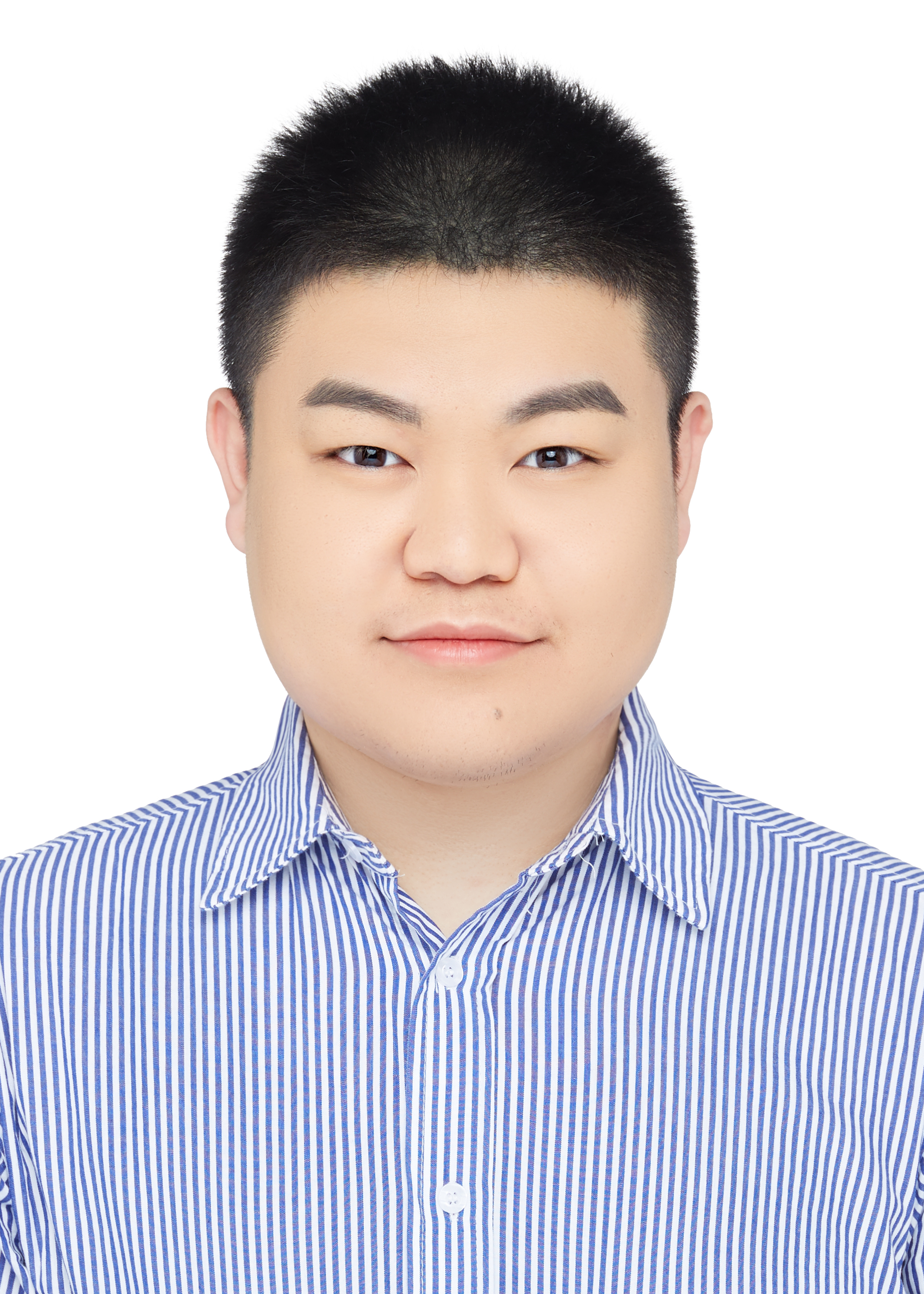
Beihang University
Ph.D. student focused on LLM personalization and system implementation, with hands-on experience in personalization pipelines and deployment trade-offs.
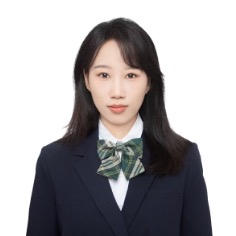
Beihang University
Incoming Ph.D. student researching LLM personalization and continual learning, with a focus on evolving user preferences and continual on-device adaptation.
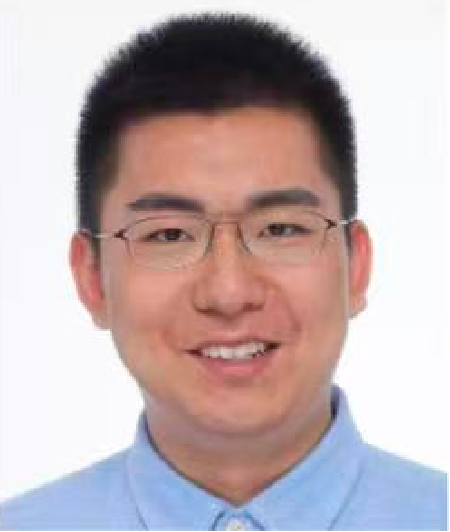
Beijing University of Posts and Telecommunications
Associate Professor researching large language models, graph representation learning, knowledge mining, and efficient knowledge-enhanced adaptation.
Homepage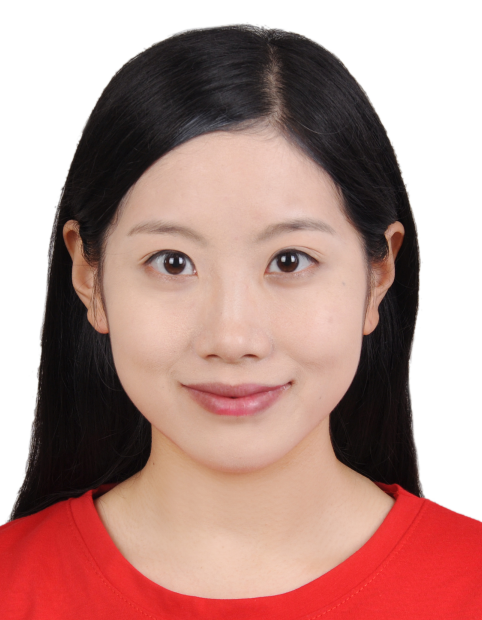
Xi'an Jiaotong University
Associate Professor and doctoral supervisor researching wireless sensing, time-series forecasting, intelligent decision-making, and embodied AI. Her work includes RFID-based sensing, authentication, and sensing-enabled applications.
Homepage
Shanghai Jiao Tong University
Tenure-track Associate Professor and doctoral supervisor focused on multimodal edge intelligence and intelligent cyber-physical systems. His current research explores foundation models for sensing, real-time scheduling for AI systems, and mobile-edge-cloud collaboration.
Homepage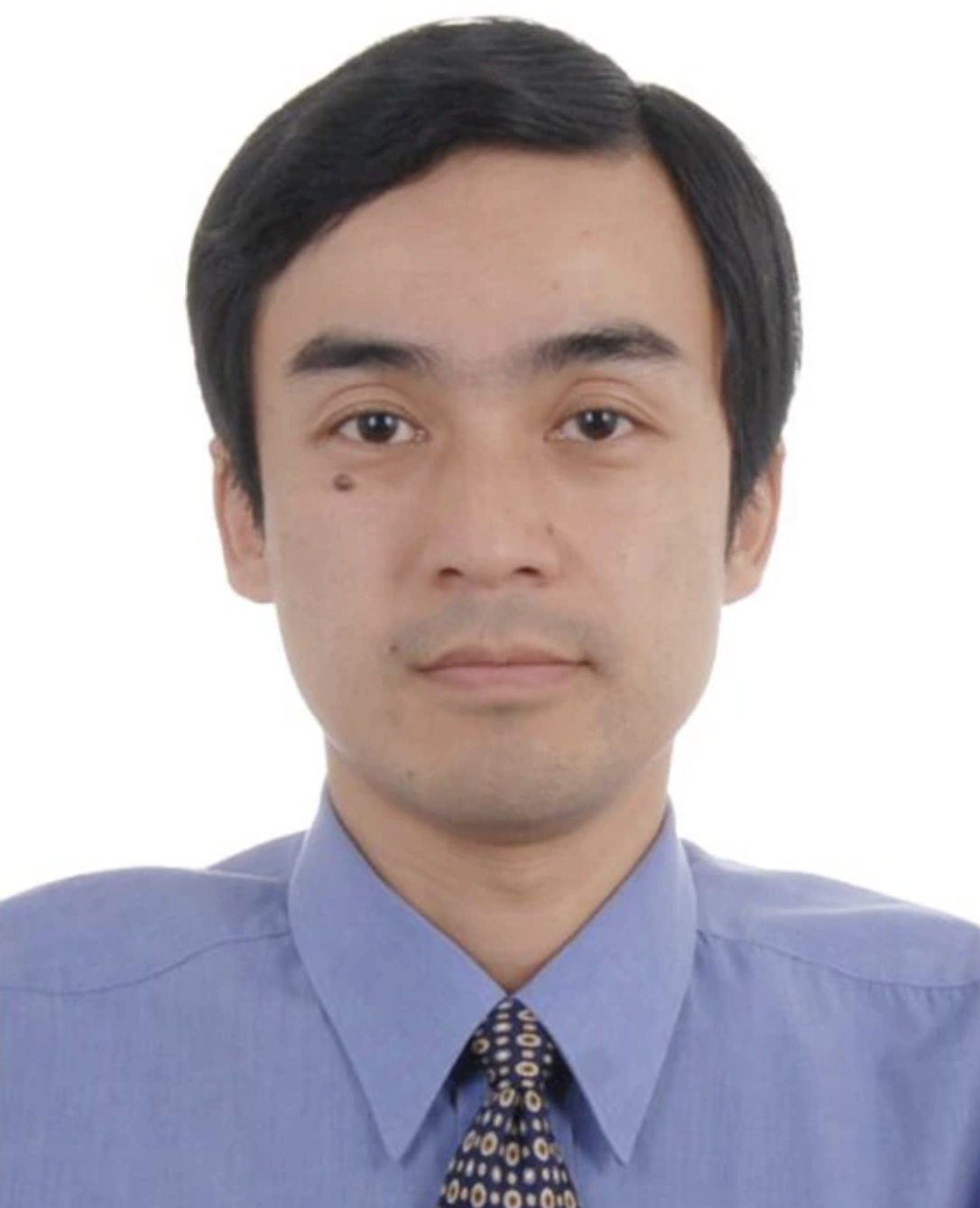
Xi'an Jiaotong University
Professor and doctoral supervisor whose research spans ubiquitous and mobile computing, intelligent sensing, the Internet of Things, distributed systems, and security and privacy. He directs the Xi'an Key Laboratory of Big Data and Artificial Intelligence.
Homepage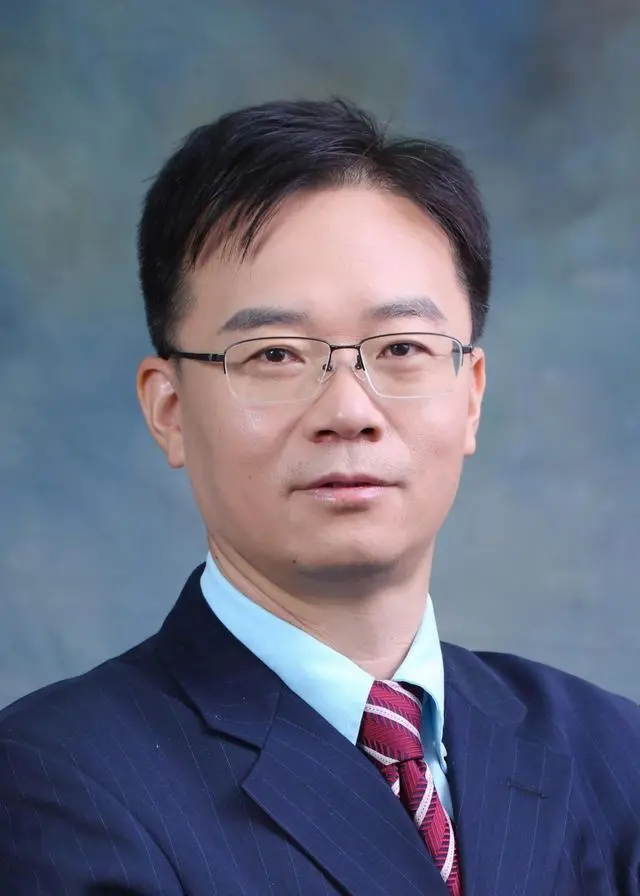
Beihang University
Professor working on social network analysis, trustworthy machine learning, large-scale data mining, and dependable learning systems.
Homepage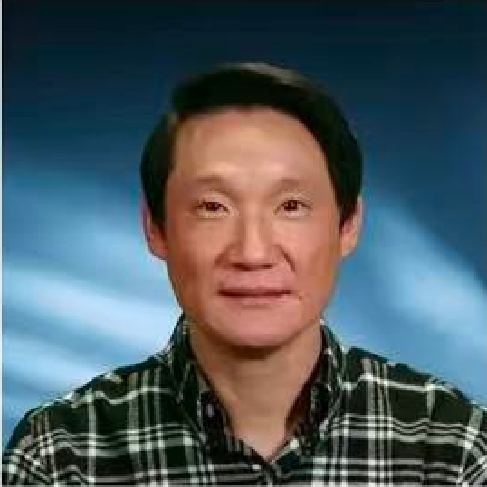
University of Illinois Chicago
Distinguished Professor and Wexler Chair whose research spans data mining, graph learning, user behavior modeling, multimodal LLMs, and large-scale analytics.
HomepageOpen Materials
The proposal is available now. Slides, lecture notes, architecture comparison tables, and the reading map will be released here.
Citation
Provisional tutorial citation based on the submitted proposal; update with the ACM Digital Library record when available.
@misc{wang2026human,
  title        = {From Generic Intelligence to Personalized AI: A Tutorial on Foundations of LLM Personalization},
  author       = {Wang, Ruijie and Zeng, Qingkai and Wang, Xuefei and Wang, Yuhan and Sun, Li and Li, Jianxin and Yu, Philip S.},
  howpublished = {Tutorial at ACM UbiComp/ISWC 2026},
  year         = {2026},
  address      = {Shanghai, China},
  url          = {https://llm-personalization-tutorial.github.io/ubicomp2026-tutorial/}
}
Contact